
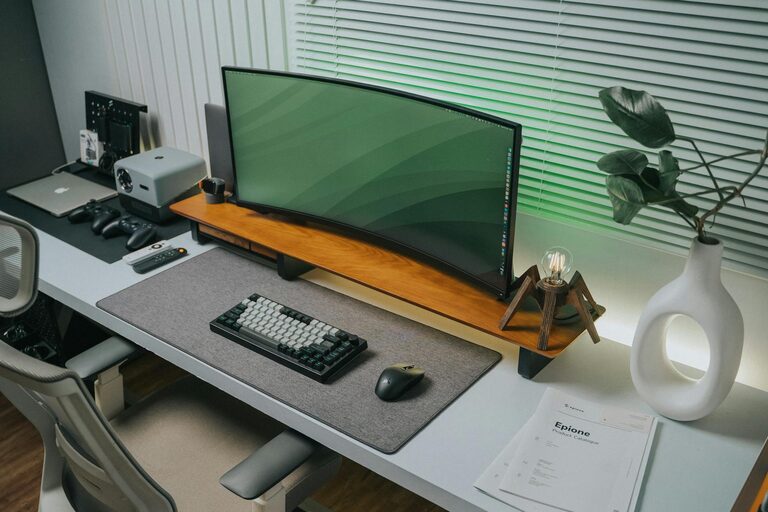
Creating a comfortable and efficient home workspace is essential for anyone working or studying from home. A cluttered or disorganized area can distract you and decrease your productivity, while a well-organized space encourages focus and creativity. If you’re looking to improve your home workspace environment, here are some helpful tips to keep it clutter-free and productive.
1. Choose the Right Location
The first step in setting up your workspace is selecting a suitable location in your home. Ideally, this should be a quiet spot with good natural light. If possible, avoid areas with heavy foot traffic or where household noises are common.
– Consider natural light: Position your desk near a window to benefit from daylight, which helps reduce eye strain and boosts mood.
– Minimize distractions: Choose a corner or room where you can focus without interruptions.
– Dedicated space: Having a specific area just for work helps you separate professional activities from personal life.
2. Keep Your Desk Clear and Organized
Your desk is the heart of your workspace, so keeping it tidy is key to maintaining focus.
– Limit desktop items: Only keep essential items like your computer, notebook, and pen on your desk.
– Use organizers: Desk organizers or trays help keep small supplies like paper clips, pens, and sticky notes in order.
– Cable management: Use cable clips or sleeves to prevent cords from tangling and cluttering your workspace.
3. Invest in Proper Storage Solutions
Storage helps keep clutter off your desk and floors.
– Shelves and cabinets: Use wall-mounted shelves or storage cabinets to keep books, files, and materials neatly arranged.
– Filing systems: Create a filing system for important documents to keep papers in one place and easy to find.
– Drawer dividers: These are handy for separating items within desk drawers, making small supplies easy to locate.
4. Establish an Efficient Workflow
Organizing your tasks and tools can lead to better productivity.
– Daily to-do list: Keep a planner or digital to-do list to manage your daily priorities.
– Designate zones: Dedicate different areas of your workspace for tasks like computer work, writing, or phone calls.
– Minimize multitasking: Focus on one task at a time to reduce clutter in both your mind and workspace.
5. Personalize Mindfully
A workspace doesn’t have to be sterile to be productive — a few personal touches can make it more inviting.
– Limit décor: Choose a couple of meaningful items like a small plant or a photo to brighten your space without adding clutter.
– Light and color: Soothing colors and adequate lighting can enhance comfort and reduce fatigue.
6. Regularly Declutter and Maintain
Keeping your workspace clutter-free is an ongoing process.
– Weekly clean-ups: Set aside a few minutes at the end of the week to put things back in order.
– Evaluate essentials: Frequently assess what you really use and discard or store anything unnecessary.
– Digital declutter: Organize your computer files and emails regularly to avoid digital overload.
7. Make Comfort a Priority
Ensuring ergonomic comfort can boost productivity and prevent physical strain.
– Comfortable chair: Choose an adjustable chair that supports good posture.
– Desk height: Make sure your desk height allows your arms to rest comfortably while typing.
– Screen placement: Position your monitor at eye level to reduce neck strain.
Final Thoughts
Organizing a clutter-free and productive home workspace takes some planning and habit-building but pays off with better focus, comfort, and efficiency. By choosing the right location, maintaining a tidy desk, using smart storage, and regularly decluttering, you can create a workspace that supports your best work. Personalizing the space thoughtfully and prioritizing comfort will help you enjoy your work or study time at home. Start small, and over time, these habits will transform your home workspace into an inviting and productive environment.