
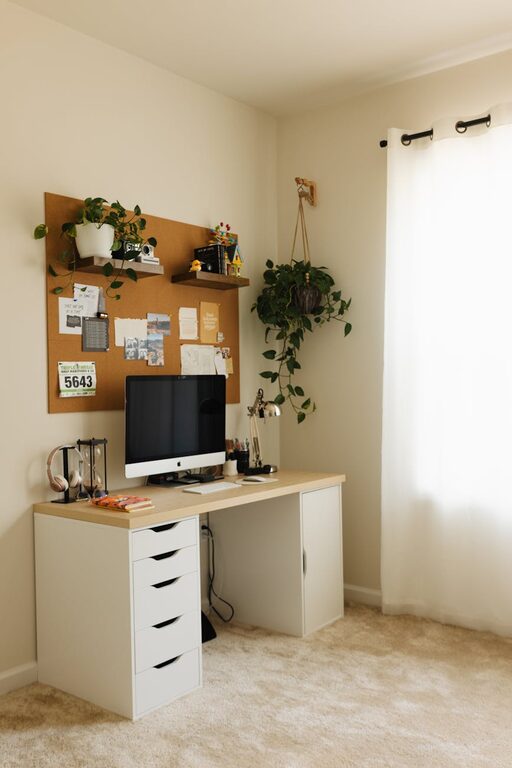
Creating a home workspace that feels both cozy and productive is essential in today’s world, where many people balance professional tasks with the comforts of home. Whether you’re starting a new remote job, freelancing, or simply want a dedicated area for tasks and projects, your workspace can significantly influence your focus, motivation, and well-being.
In this guide, we’ll explore practical tips to help you design a home workspace that fosters productivity without sacrificing comfort.
Choose the Right Location
Find a Space with Natural Light
Natural light boosts mood and energy levels, which are crucial for staying productive. Select a spot near a window where sunlight can brighten your workspace. If natural light is limited, opt for full-spectrum LED lighting to mimic daylight.
Consider Privacy and Noise Levels
A quieter space helps reduce distractions. If you don’t have a dedicated room, try using room dividers or noise-cancelling headphones to create boundaries. Inform housemates or family members of your working hours to minimize interruptions.
Invest in Comfortable and Functional Furniture
Ergonomic Chair and Desk
An adjustable chair with good lumbar support and a desk at the right height can prevent discomfort and health issues like back pain. Consider options that allow you to switch between sitting and standing.
Adequate Surface Space
Make sure your desk has enough room for your computer, documents, and other tools. A clutter-free surface helps maintain focus and prevents stress.
Personalize Your Workspace
Add Plants
Plants not only brighten the space but also improve air quality and reduce stress. Low-maintenance plants like succulents or spider plants are great choices.
Decorate with Meaningful Items
Include photos, artwork, or objects that inspire you, but avoid overcrowding the space.
Organize Your Supplies Efficiently
Use Storage Solutions
Shelves, drawers, and organizers keep stationery, cables, and documents tidy. Labeling containers can save time searching for items.
Keep Digital Organization in Mind
Regularly clean up your computer desktop and use folders for easy access to files.
Optimize Technology Setup
Reliable Internet Connection
A strong and stable internet connection ensures smooth video calls and uninterrupted work.
Proper Equipment Positioning
Place monitors at eye level to prevent neck strain. Use a separate keyboard and mouse for better ergonomics, if using a laptop.
Establish a Routine and Boundaries
Set Working Hours
Define clear start and end times for your workday to separate work from personal time.
Create Signals for Availability
Use signs or do-not-disturb indicators to let others know when you’re focused on work.
Incorporate Comfort and Break Zones
Keep a Cozy Element Nearby
A soft blanket, a cushion, or a favorite mug can add comfort and make the space inviting.
Schedule Breaks
Use timers or apps to remind yourself to stand, stretch, or take brief walks to stay refreshed.
Maintain Air Quality and Temperature
Ventilation Matters
Ensure your workspace is well-ventilated to keep the air fresh. Opening windows or using air purifiers can help.
Control Temperature
Adjust heating or cooling to maintain a comfortable climate that supports concentration.
Final Thoughts
Creating a cozy and productive home workspace is all about balance—combining comfort with functionality in a way that suits your personal preferences and work requirements. Start with a dedicated, well-lit area, invest in ergonomic furniture, and personalize the space to make work feel less like a chore and more like an enjoyable part of your day.
Remember, your workspace should evolve with you. Take time periodically to reassess and adjust your setup to maintain productivity and comfort. With these tips, you’re well on your way to transforming any corner of your home into an inspiring place to work.